
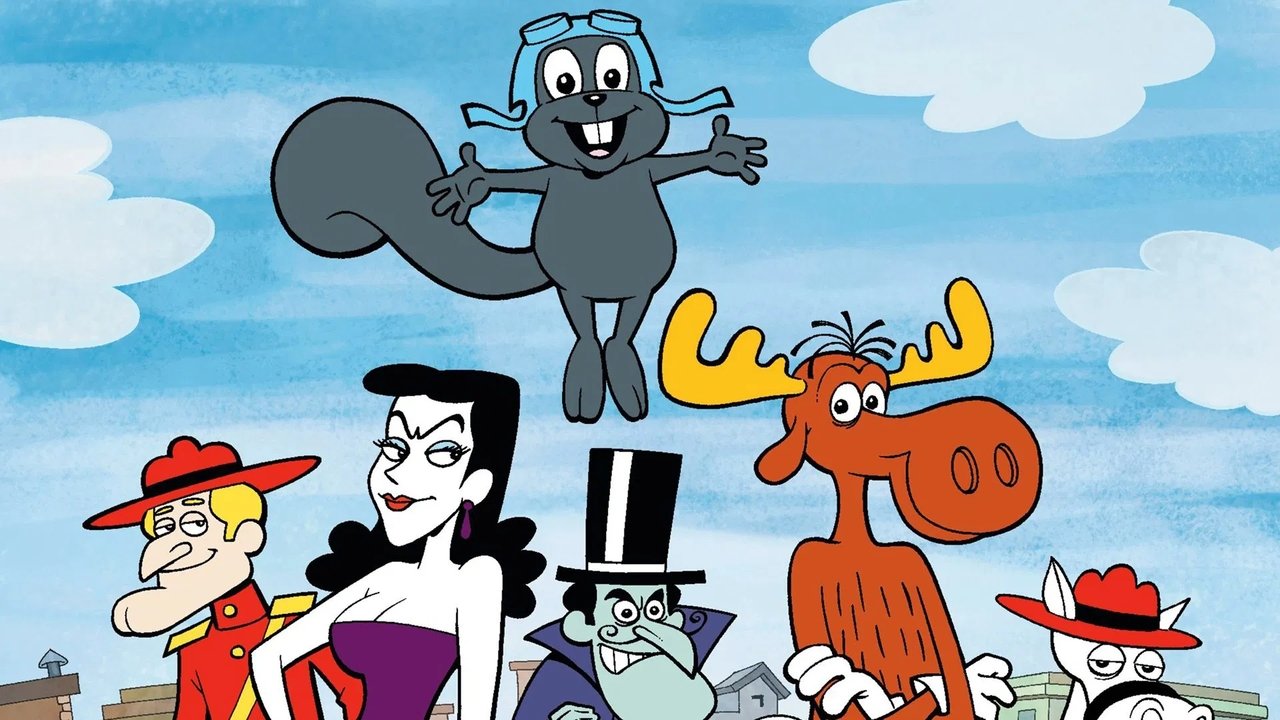
The Adventures of Rocky and Bullwinkle and Friends
Rocky, a plucky flying squirrel and Bullwinkle, a bumbling but lovable moose, have a series of ongoing adventures.
AnimeParadise: Saturday-morning and after-school cartoon series from 1959 to today, from Rocky and Bullwinkle and Mr. Magoo to Fireball XL5, Peter Pan and the Pirates and The Mighty Ones, with every season and episode
277 animated series for Saturday mornings, after-school hours and family evenings: Hanna-Barbera and Filmation favourites, Gerry Anderson's puppet adventures, pop-star cartoons, storybook classics, preschool gems, superheroes and modern comedies. Pick a series, open a season and press Watch now.
Saturday line-up
show more Peter Pan & the Pirates19901 season · 65 episodes
 The Mighty Ones20204 seasons · 80 episodes
 Victor and Valentino20193 seasons · 113 episodes
 The Mr. Peabody & Sherman Show20154 seasons · 52 episodes
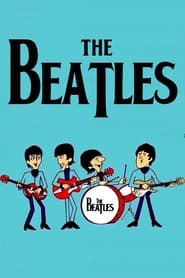 The Beatles19653 seasons · 39 episodes
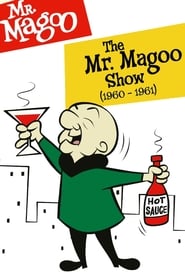 The Mr. Magoo Show19601 season · 130 episodes
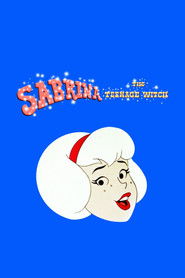 Sabrina, the Teenage Witch19692 seasons · 62 episodes
 Tales of the Wizard of Oz19611 season · 117 episodes
Latest episodes
show more Ep 50
Ep 50 Episode 50RoboGoboS2 · 2026
 Ep 11
Ep 11 Iyanu: The War of the Twin PrincesIyanuS2 · 2026
 Ep 1
Ep 1 Bros & ArrowsAdventure Time: Side QuestsS1 · 2026
 Ep 1
Ep 1 Crepe DayThe DoomiesS1 · 2026
 Ep 1
Ep 1 Missing Horse MysteryLEGO Friends: The Next ChapterS4 · 2026
 Ep 23
Ep 23 Best Summer Ever!Wylde PakS2 · 2026
 Ep 1
Ep 1 Perry's Off to the RacesAgent P Under CS1 · 2026
 Ep 10
Ep 10 Episode 10MrBeast LabS1 · 2025
 Ep 6
Ep 6 The Wolf's True NameThe Wingfeather SagaS3 · 2025
 Ep 1
Ep 1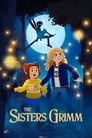 ReldaThe Sisters GrimmS1 · 2025
Popular
show more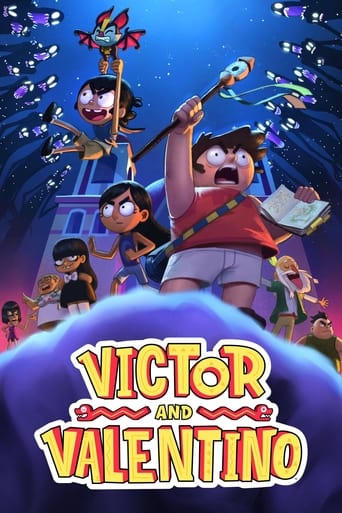 ★ 6.3Victor and Valentino2019 · 3 seasons
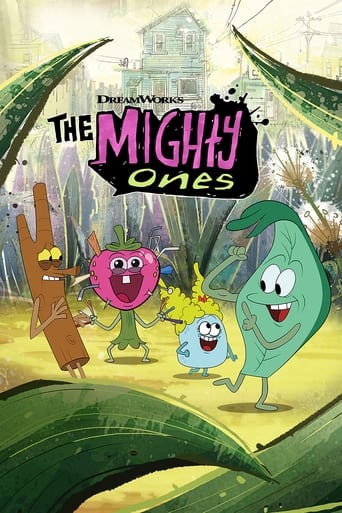 ★ 7.4The Mighty Ones2020 · 4 seasons
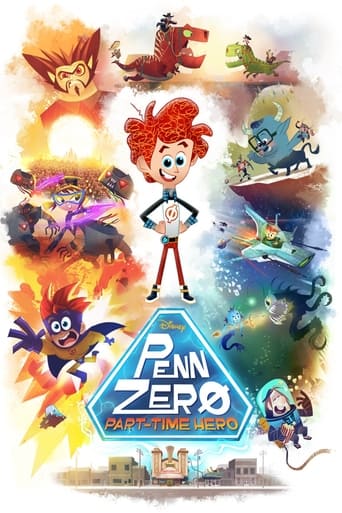 ★ 7.2Penn Zero: Part-Time Hero2014 · 2 seasons
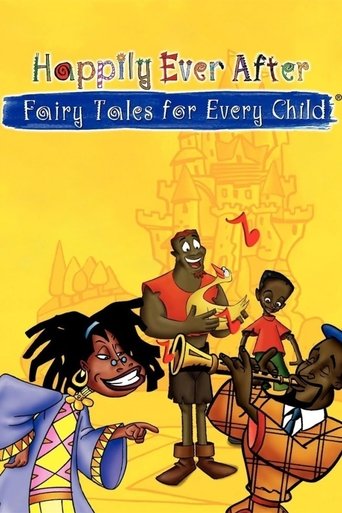 ★ 6.3Happily Ever After: Fairy Tales for Every Child1995 · 3 seasons
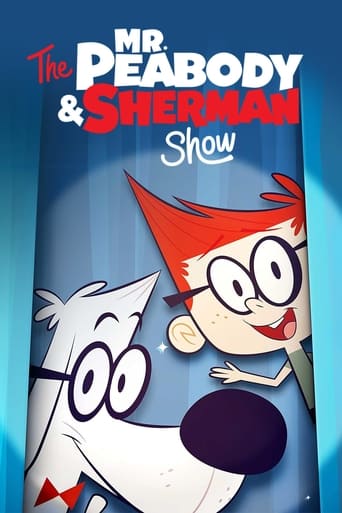 ★ 6.1The Mr. Peabody & Sherman Show2015 · 4 seasons
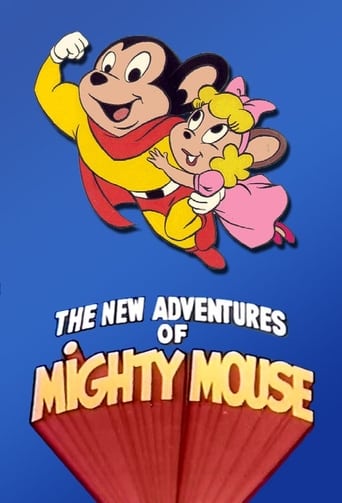 ★ 6.0The New Adventures of Mighty Mouse and Heckle & Jeckle1979 · 1 season
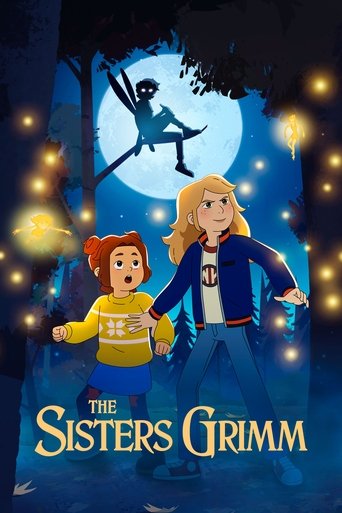 ★ 8.1The Sisters Grimm2025 · 2 seasons
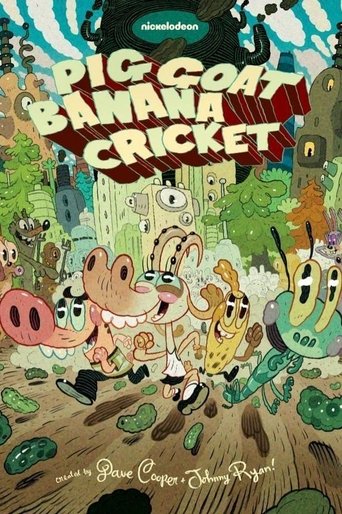 ★ 4.2Pig Goat Banana Cricket2015 · 2 seasons
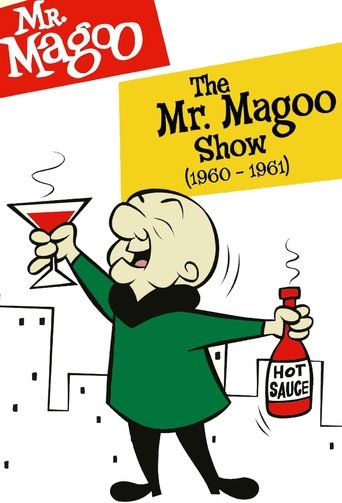 ★ 6.6The Mr. Magoo Show1960 · 1 season
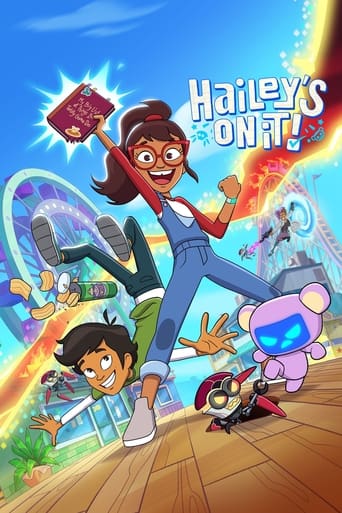 ★ 8.3Hailey's On It!2023 · 1 season
Hanna-Barbera
show more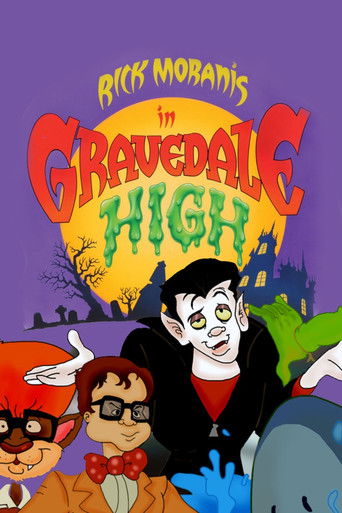 ★ 7.0Gravedale High1990 · 1 season
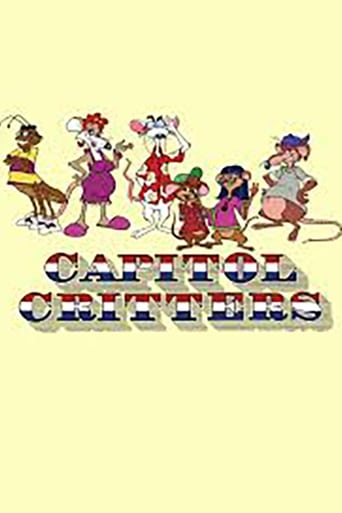 ★ 5.4Capitol Critters1992 · 1 season
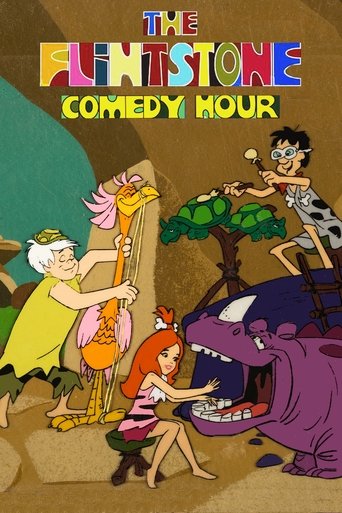 ★ 8.2The Flintstone Comedy Hour1972 · 1 season
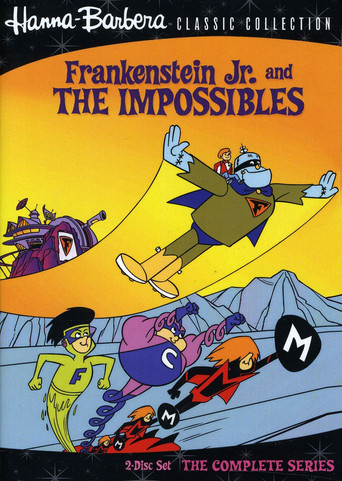 ★ 7.1Frankenstein, Jr. and The Impossibles1966 · 1 season
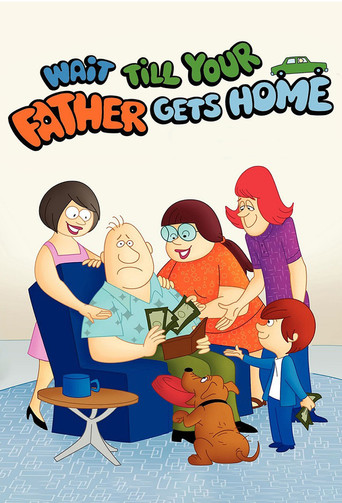 ★ 6.2Wait Till Your Father Gets Home1972 · 3 seasons
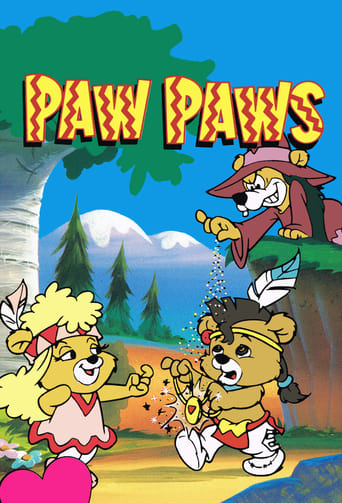 ★ 8.0Paw Paws1985 · 1 season
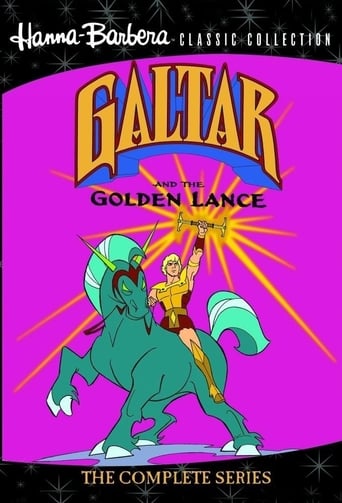 ★ 6.9Galtar and the Golden Lance1985 · 1 season
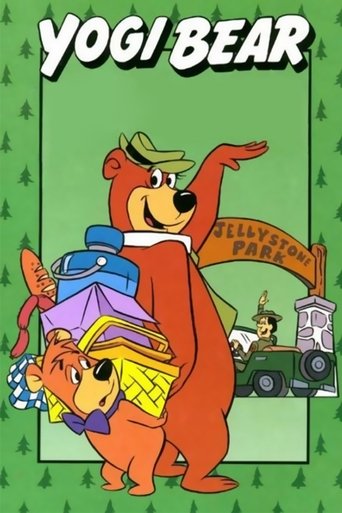 ★ 6.5The New Yogi Bear Show1988 · 1 season
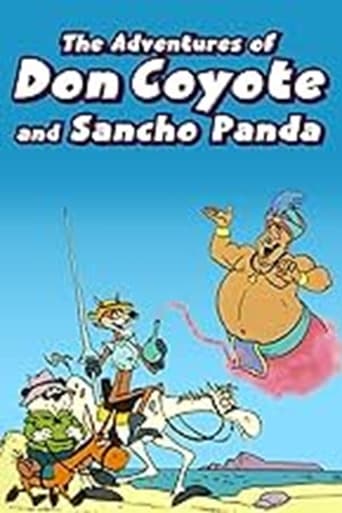 ★ 7.0The Adventures of Don Coyote and Sancho Panda1990 · 2 seasons
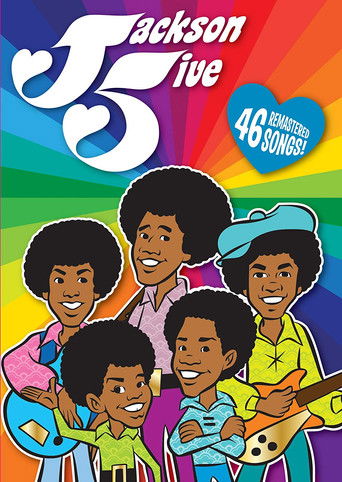 ★ 5.8The Jackson 5ive1971 · 2 seasons
Storybook classics
show more- ★ 6.3Happily Ever After: Fairy Tales for Every Child1995 · 3 seasons
- ★ 8.1The Sisters Grimm2025 · 2 seasons
 ★ 8.3Peter Pan & the Pirates1990 · 1 season
 ★ 7.5Max & the Midknights2024 · 4 seasons
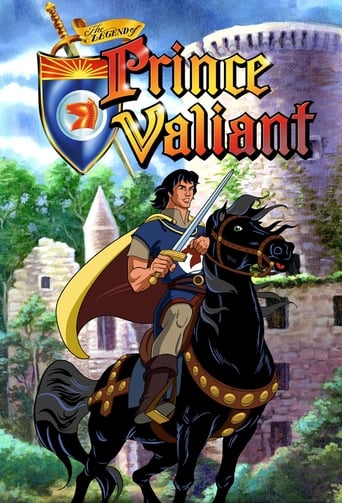 ★ 6.7The Legend of Prince Valiant1991 · 2 seasons
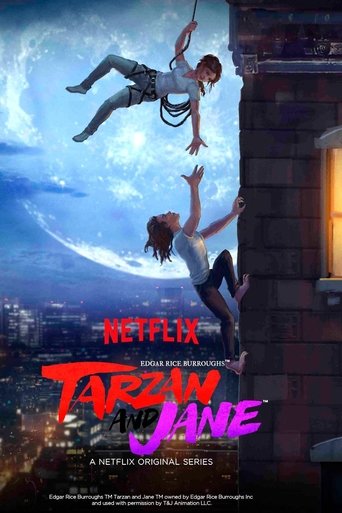 ★ 7.2Edgar Rice Burroughs' Tarzan and Jane2017 · 2 seasons
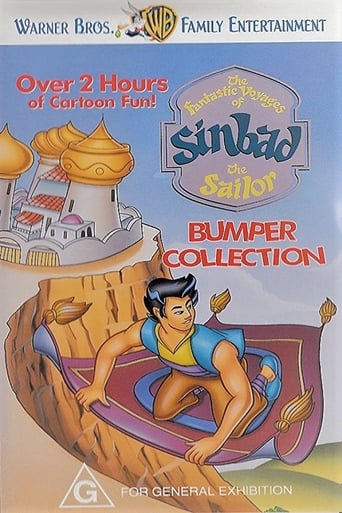 ★ 4.5The Fantastic Voyages of Sinbad the Sailor1996 · 1 season
 ★ 7.1Horrid Henry2006 · 5 seasons
 ★ 5.9The Jungle Book2010 · 3 seasons
 ★ 3.0If You Give a Mouse a Cookie2015 · 2 seasons
Puppets and Supermarionation
show more ★ 8.7The Tiny Chef Show2022 · 3 seasons
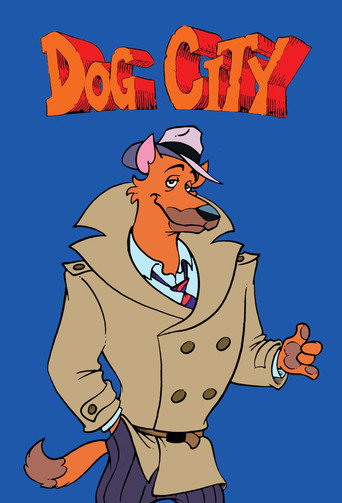 ★ 6.5Dog City1992 · 3 seasons
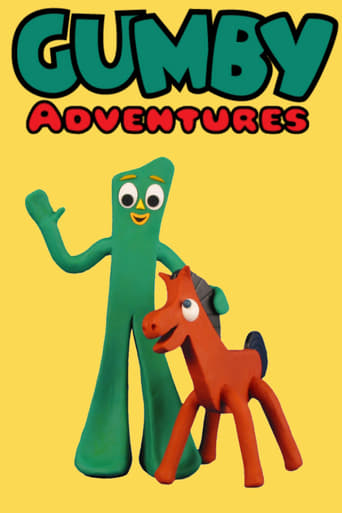 ★ 8.2Gumby Adventures1988 · 1 season
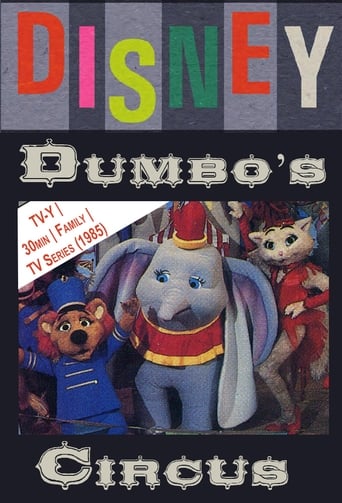 ★ 5.8Dumbo's Circus1985 · 3 seasons
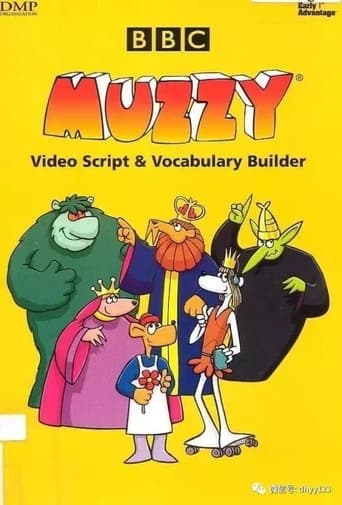 ★ 8.5Big Muzzy1987 · 3 seasons
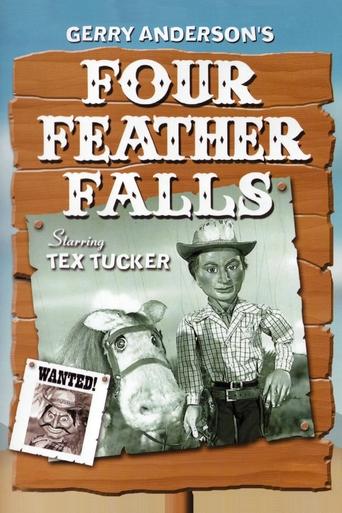 ★ 6.6Four Feather Falls1960 · 1 season
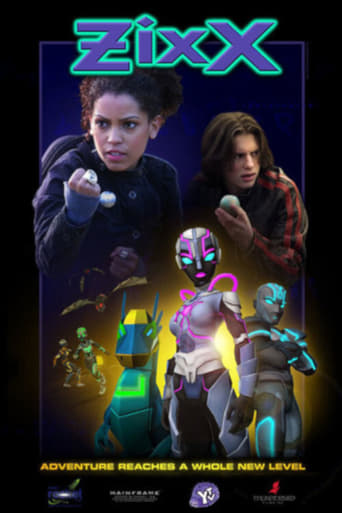 ★ 7.3Zixx2004 · 3 seasons
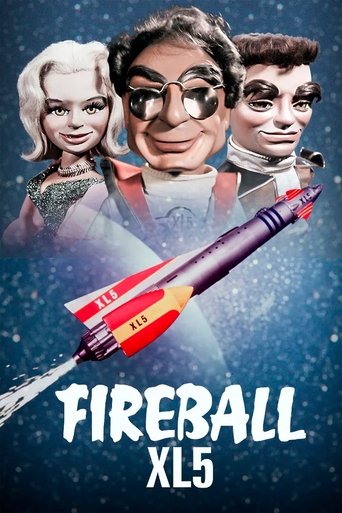 ★ 6.4Fireball XL51962 · 1 season
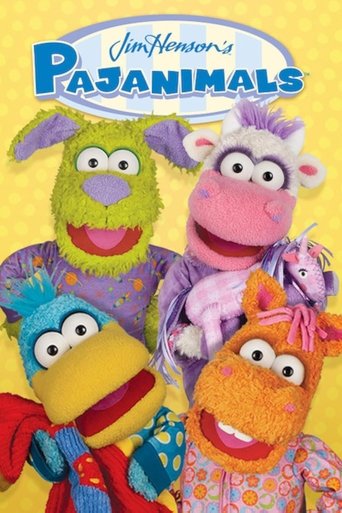 ★ 7.0Pajanimals2008 · 3 seasons
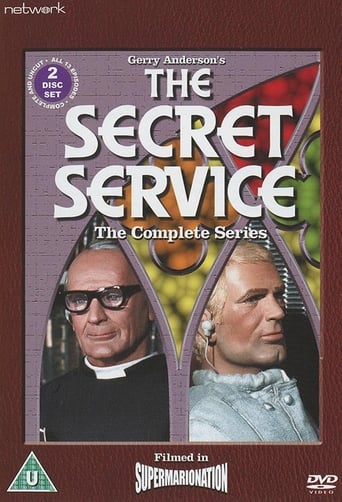 ★ 5.8The Secret Service1969 · 1 season
Heroes and action
show more- ★ 7.2Penn Zero: Part-Time Hero2014 · 2 seasons
- ★ 8.3Hailey's On It!2023 · 1 season
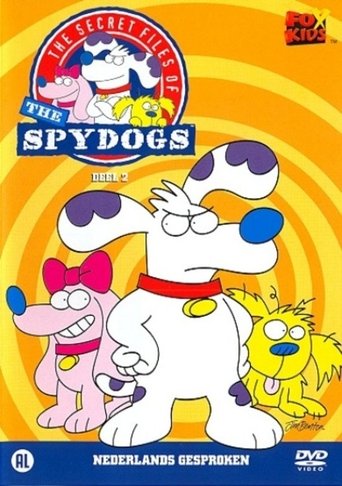 ★ 6.9The Secret Files of the Spy Dogs1998 · 2 seasons
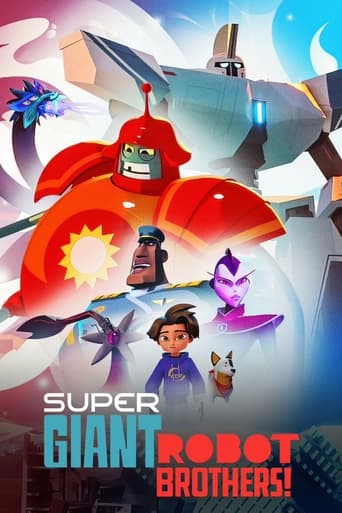 ★ 6.7Super Giant Robot Brothers2022 · 1 season
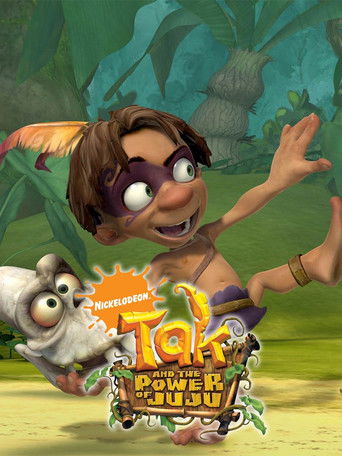 ★ 7.7Tak and the Power of Juju2007 · 1 season
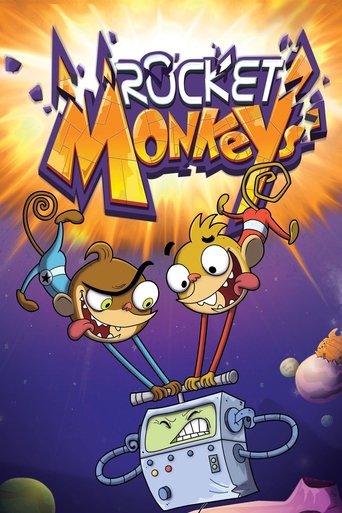 ★ 4.4Rocket Monkeys2013 · 3 seasons
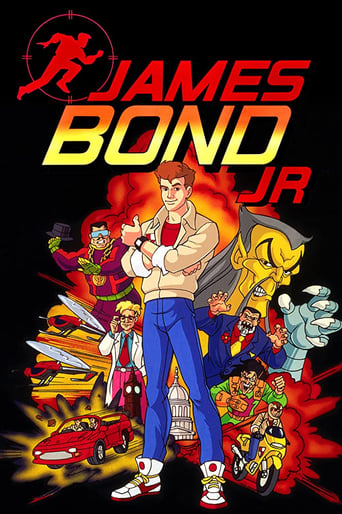 ★ 5.2James Bond Jr.1991 · 1 season
- ★ 4.5The Fantastic Voyages of Sinbad the Sailor1996 · 1 season
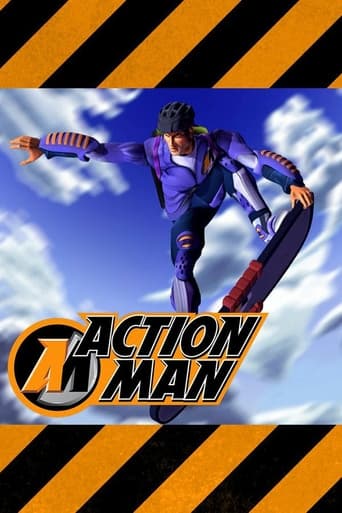 ★ 7.3Action Man2000 · 2 seasons
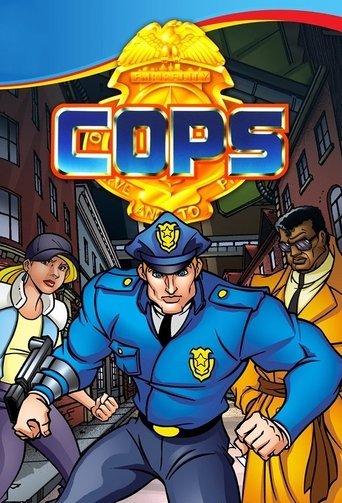 ★ 7.8C.O.P.S.1988 · 1 season
Preschool
show more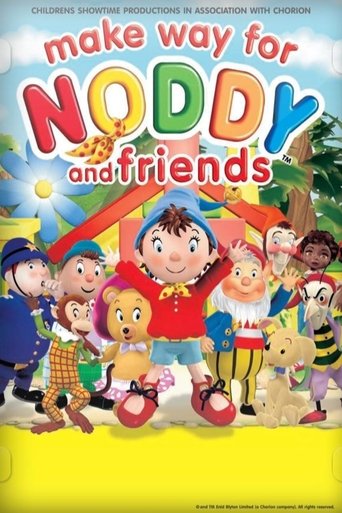 ★ 6.3Make Way for Noddy2002 · 2 seasons
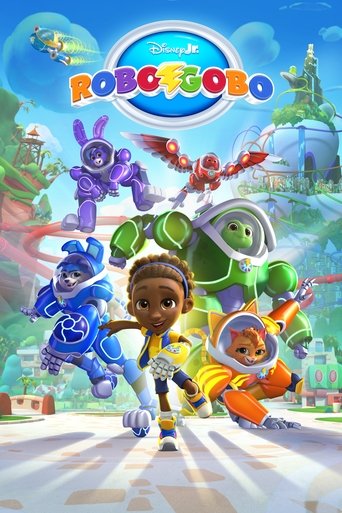 ★ 1.0RoboGobo2025 · 2 seasons
- ★ 8.7The Tiny Chef Show2022 · 3 seasons
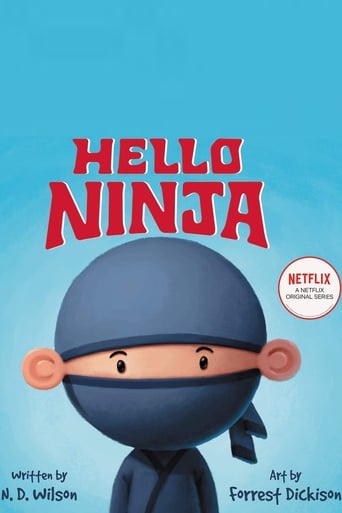 ★ 6.0Hello Ninja2019 · 4 seasons
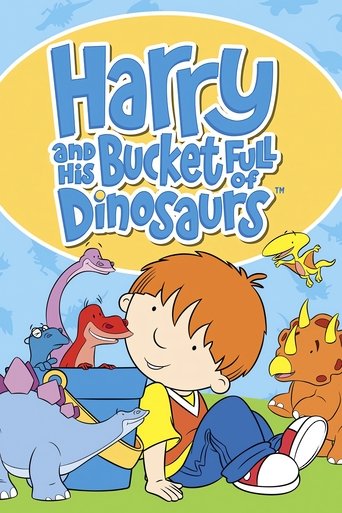 ★ 6.4Harry and His Bucket Full of Dinosaurs2005 · 2 seasons
- ★ 3.0If You Give a Mouse a Cookie2015 · 2 seasons
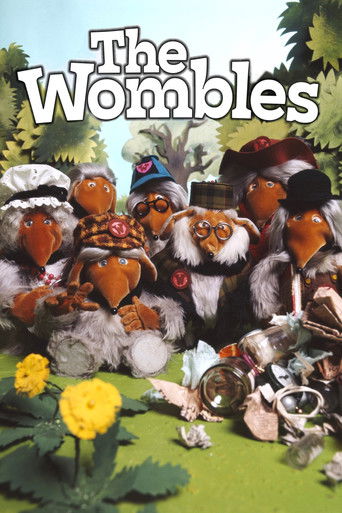 ★ 7.4The Wombles1973 · 2 seasons
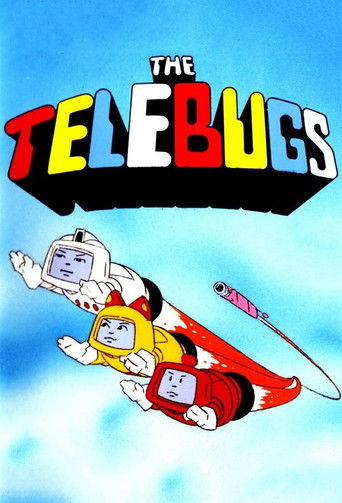 ★ 7.5The Telebugs1986 · 3 seasons
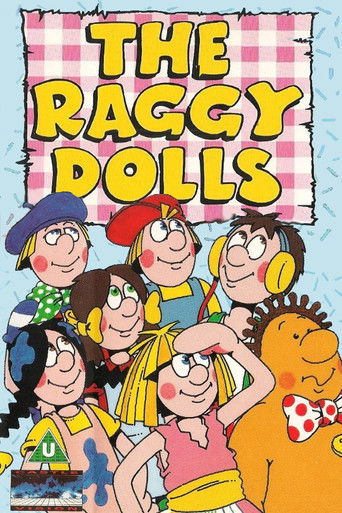 ★ 7.7The Raggy Dolls1986 · 9 seasons
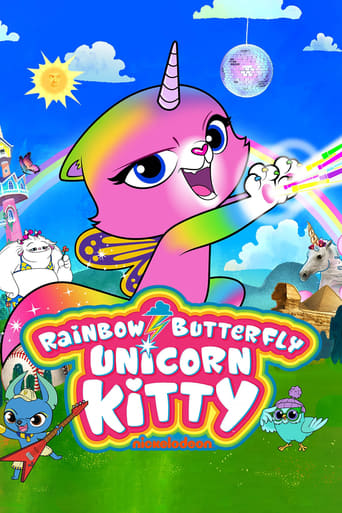 ★ 7.0Rainbow Butterfly Unicorn Kitty2019 · 1 season
Spooky fun
show more- ★ 6.3Victor and Valentino2019 · 3 seasons
- ★ 8.1The Sisters Grimm2025 · 2 seasons
 ★ 8.2Grim & Evil2001 · 5 seasons
 ★ 9.0The Shnookums and Meat Funny Cartoon Show1995 · 3 seasons
- ★ 7.0Gravedale High1990 · 1 season
 ★ 7.6Monster Beach2020 · 1 season
 ★ 8.2Little Dracula1991 · 2 seasons
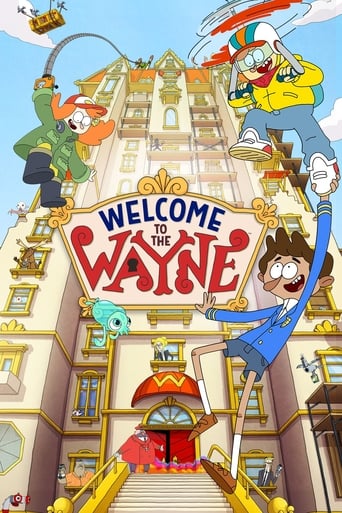 ★ 7.8Welcome to the Wayne2018 · 2 seasons
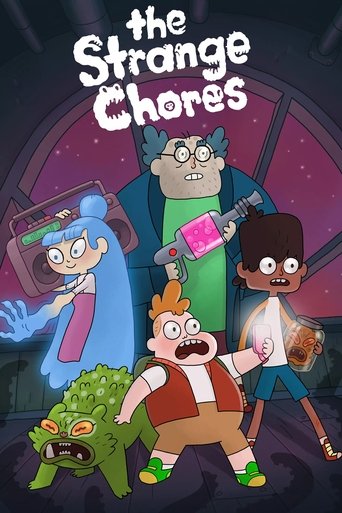 ★ 4.2The Strange Chores2019 · 3 seasons
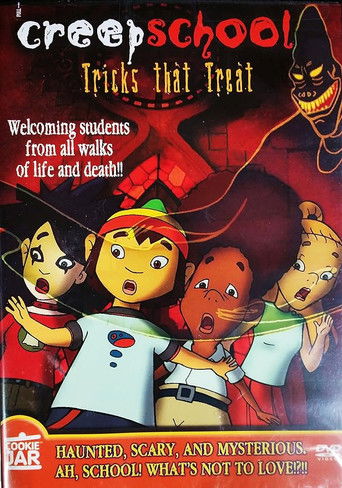 ★ 10.0Creepschool2004 · 1 season
Guides
show more- How to watch with AnimeParadiseFrom the spotlight to the official service.
- Hanna-BarberaFlintstones spin-offs, Yogi and the Saturday line-ups.
- FilmationSuperman, Sabrina, Gilligan and Blackstar.
- Puppets and SupermarionationGerry Anderson, Gumby and friends.
- Storybook classicsPeter Rabbit, Paddington, Anne, Oz and Shakespeare.
- Episodes and seasonsSeason pages, episode order and air dates.
- PreschoolNoddy, Fifi, Lunar Jim and Mike the Knight.
- Heroes and actionSpace patrols, spy kids and robot pals.
- The official AnimeParadise siteHow to recognise the real address.
- Is AnimeParadise working?A quick check and easy fixes.
- Where AnimeParadise series streamThe official services behind Watch now.
- Apps and devicesPhones, tablets, computers and televisions.
- Watching safelyA short checklist.
- Finding a seriesSearch tips.
- My ListBuilding your own Saturday morning.
AnimeParadise: Saturday-morning and after-school cartoon series from 1959 to today, from Rocky and Bullwinkle and Mr. Magoo to Fireball XL5, Peter Pan and the Pirates and The Mighty Ones
For generations of children, the best part of the week began early on a Saturday. The house was quiet, a bowl of cereal sat on the carpet in front of the television, and from seven o'clock until lunchtime the screen filled with talking moose, singing chipmunks, stone-age families, flying superheroes, puppet spacemen and friendly ghosts. After school, the same channels brought another hour of adventure, and in the evening a whole family might laugh together at a cartoon sitcom. AnimeParadise is a guide to that world: a hand-picked catalogue of 277 animated television series made in English for children and families, from the first season of Rocky and Bullwinkle in 1959 to the newest preschool and comedy series of 2026, with a page for every series, a page for every season and a Watch now button that leads to the official services that carry it.
The catalogue covers almost seven decades of the cartoon series. There are 32 series from 1959 to 1969, when television animation was young and studios such as Jay Ward, Total Television, UPA, Rankin/Bass and Hanna-Barbera were inventing the form. There are 34 from the 1970s, the great age of the Saturday morning line-up, and 34 from the 1980s, when toys, pop stars and live-action sitcoms all found their way into cartoons. The 1990s and 2000s bring 55 series each, from British storybook adaptations to Canadian comedies and Cartoon Network originals, and 67 series from 2010 onward carry the tradition into the streaming era.
The shelves group the series in friendlier ways too. Hanna-Barbera has 42 series, from The Flintstones spin-offs to Yogi's Space Race. Filmation has 13, with Superman, Superboy, Sabrina and Blackstar. Puppets and Supermarionation gathers 12 series from Gerry Anderson's Four Feather Falls to The Tiny Chef Show, and Pop stars and TV spin-offs holds 26, with the Beatles, the Jackson 5ive, the Osmonds, the Fonz and Mister T. Storybook classics has 47 series based on beloved books, Preschool has 33 gentle first cartoons, Heroes and action has 61 caped crusaders, space patrols and robot pals, Spooky fun has 22 friendly monsters and ghosts, and Comedy has 58 series built for giggles.
Together these series hold more than ten thousand episodes across 479 seasons. Every series page shows the story, the first year, the number of seasons and episodes, the creators and studios where they are known, and a list of seasons. Every season page lists its episodes in order, with their titles, their first air dates and a short summary where one is available. And every page carries the Watch now button, which opens the series on JustWatch for the country you choose, so you can see at a glance which subscription, rental, purchase and free services carry it where you live.
AnimeParadise is designed for anyone who loves a good cartoon series: parents looking for something gentle and timeless for their children, grandparents hoping to share the shows they grew up with, students of animation history, collectors of half-remembered theme songs and anyone who simply wants a cheerful half hour. You can save series to My List, which stays in your browser, and build your own Saturday morning, one episode at a time.
This guide explains how the site looks and works, then takes a walk through the history of the cartoon series, decade by decade and studio by studio, with links to the series along the way. It ends with ideas for themed mornings, tips for watching today and answers to common questions. Pour the cereal, find a comfortable spot on the carpet and enjoy the show.
How AnimeParadise looks
AnimeParadise takes its look from the archived pages of animeparadise.moe, a modern anime streaming site built with a sleek, cinematic design. The whole page sits on a deep slate blue, close to the colour of a television screen just after it is switched off. At the top, a see-through navigation bar floats over the content, with a small red television logo, a bold lowercase wordmark, a round pill of slate-coloured links, a round search box and a My List button outlined in bright red, exactly where the original site placed its sign-in button.
The home page opens with a tall spotlight, filling most of the first screen, just as the original site does for its featured anime. A wide still from the featured series fills the background, fading into the page on the left and at the bottom. Over it sits the title in large white letters, a row of wheat-coloured pills on dark glass with the first year, the number of seasons, the number of episodes and the rating, a four-line story and two round slate buttons, one for Watch now and one for the details page. The content below is pulled up over the fade, so the page feels like one continuous scene.
Each section opens with a bold white heading and a short, rounded red bar beneath it, the signature detail of the original design, with an uppercase show more link in soft wheat on the right. The Saturday line-up row borrows the original site's schedule cards: slate panels with a small square poster, the series title and a coral year. A row of slate pills lists every shelf, and the pills turn wheat when you point at them.
The Latest episodes section uses the original episode cards: wide stills with generously rounded corners, a dark tab in the lower right corner showing the episode number, and beneath it a small round poster, the episode title, the series name in softer type and the season and year. When you point at a card, it lifts slightly and a slate panel appears behind it. The poster rows use the tall portrait cards of the original, with a coral rating tab in the upper right corner and the title over a dark fade at the bottom.
At the foot of the page, two dark bands hold the links and the notice, and a large red circle with an arrow waits at the edge to carry you back to the top. Everything is set in Rubik, the friendly rounded typeface of the original site, in light, regular, medium and bold weights. On a phone, the links fold into a menu button, the wordmark steps aside for the logo, the spotlight text moves to the centre and the cards settle into two neat columns.
Using the site
There are five easy ways into the catalogue. The first is the search box in the navigation bar. Type part of a title, a character or a studio, such as Magoo, Bullwinkle, Noddy, Paddington, Yogi or Filmation, and the matching series appear as you type. Search understands the familiar spellings and short names, so Rocky finds Rocky and Bullwinkle and Gumby finds Gumby Adventures.
The second is the spotlight and the rows on the home page. The Saturday line-up shows a handful of classic favourites, Latest episodes shows the most recently broadcast episode of the newest series, Popular shows the series that families open most often, and the shelf rows below bring Hanna-Barbera, storybook classics, puppets, heroes, preschool series and spooky fun. Each row has a show more link that opens the full shelf.
The third is the shelves themselves. Each shelf page lists its series as tall poster cards, most popular first, and the decade shelves let you travel from the sixties to today. The fourth is the A to Z list, which arranges every series by its first letter, and the fifth is My List, where you can keep the series you plan to watch.
Every series page follows the same calm pattern. At the top you will find the poster, the title, the first year, the number of seasons and episodes, the rating and the story. Below come the creators and the studios where they are known, the cast of voices, the list of seasons and the Watch now panel. Choose your country from the list, press Watch now, and JustWatch opens with the official services that carry the series there, whether that is a subscription service, a free channel with adverts, a digital store or a library service.
Season pages are where the episodes live. Each one lists the episodes in broadcast order, with the episode number, the title, the first air date and a short story where the information is available. Many of the older series were broadcast as packages of short segments, so an episode of The Mr. Magoo Show or Courageous Cat and Minute Mouse may be just five minutes long, while an episode of The ABC Saturday Superstar Movie runs for a full hour. The season pages make it easy to pick up where you left off.
My List lives in your own browser. Press the button on any series page to add it, open My List from the red-bordered button in the navigation bar, and remove a series once you have finished it. You can export the list as a small file and import it on another computer, tablet or phone, which makes it simple to plan a weekend of cartoons for the whole family.
The first decade, 1959 to 1969
Television animation began as a scrappy, inventive business. The theatrical cartoon studios were winding down, budgets for television were small, and the new studios learned to tell stories with bold designs, sharp writing and a handful of drawings per second. The result was a decade of wonderfully witty series, and AnimeParadise holds 32 of them.
The most celebrated is The Adventures of Rocky and Bullwinkle and Friends, Jay Ward's 1959 series about a plucky flying squirrel and a lovable moose from Frostbite Falls, Minnesota, with five seasons and 163 episodes of puns, cliffhangers and the comic spies Boris and Natasha. Jay Ward's studio followed it with Hoppity Hooper, a frog, a fox and a bear on the road, and the same quick humour runs through Tennessee Tuxedo and His Tales, the Total Television series about a penguin who visits his professor friend for a lesson every week.
UPA brought its near-sighted star to television in The Mr. Magoo Show, 130 five-minute stories from 1960, and in The Famous Adventures of Mr. Magoo, a handsome 1964 series in which Mr. Magoo plays the heroes of great literature, from Robin Hood to Don Quixote. Ross Bagdasarian's chipmunks starred in The Alvin Show, with songs from Alvin, Simon and Theodore and the adventures of the inventor Clyde Crashcup.
Superheroes arrived early. Bob Kane, the co-creator of Batman, gave television two affectionate parodies, Courageous Cat and Minute Mouse and Cool McCool, a secret agent with a moustache and a talent for luck. Roger Ramjet took a proton pill for the strength of twenty atom bombs for twenty seconds, and The Mighty Hercules fought for the people of Learnea across 212 short episodes. Hanna-Barbera's Frankenstein, Jr. and The Impossibles paired a boy genius and his giant robot with a crime-fighting rock group, and Filmation launched its long relationship with DC Comics with The Adventures of Superboy and The Superman/Aquaman Hour of Adventure.
Rankin/Bass began with Tales of the Wizard of Oz, 117 short stories with Dorothy, the Scarecrow and friends, and later teamed with the Japanese studio Toei for The King Kong Show, in which a gentle giant ape befriends a boy named Bobby Bond. Another early link to Japan was Marine Boy, one of the first colour anime series dubbed for English-speaking viewers, about a young aquanaut with oxygen gum and flying boots. Canada contributed Rocket Robin Hood, which moved Sherwood Forest into outer space.
Old favourites found new life. The New 3 Stooges mixed live-action wraparounds with 156 cartoon shorts, Hanna-Barbera's Laurel & Hardy brought the famous comedy duo to animation in 156 stories, and DePatie-Freleng's The Inspector gathered the bumbling French detective's cartoon adventures. Literature inspired The Adventures of Gulliver, The New Adventures of Huckleberry Finn, with real actors in a cartoon world, and Young Samson & Goliath, about a boy and his dog who become a hero and a lion. Fantastic Voyage shrank a team of scientists to microscopic size for weekly missions.
Music played a big part too. The Beatles, from 1965, sent cartoon versions of John, Paul, George and Ringo on comic adventures built around their songs, and it ran for three seasons. The decade closed with Sabrina, the Teenage Witch, the Archie Comics witch in her first series of her own, Hot Wheels, a racing series for young drivers, and Here Comes the Grump, DePatie-Freleng's fairy-tale quest to break a curse of gloom.
Puppets, strings and Supermarionation
Some of the most beloved children's series of the sixties were made with puppets, and AnimeParadise gives them a shelf of their own. The story begins with Gerry Anderson, a young British producer who turned a small puppet company into one of the most famous names in television. His third puppet series, Four Feather Falls, from 1960, was a gentle western about Sheriff Tex Tucker, whose four magic feathers let his guns fire by themselves and his horse and dog speak. It was the first series to use an early version of the electronic lip-sync system that would later be called Supermarionation.
Supercar followed in 1961, with test pilot Mike Mercury and the scientists of Black Rock Laboratory flying a remarkable vehicle that could travel on land, under the sea and through the air. In 1962 came Fireball XL5, with Colonel Steve Zodiac, the doctor Venus and the robot Robert patrolling the galaxy for the World Space Patrol, all to one of the catchiest theme songs of the decade. The catalogue also holds The Secret Service, Gerry and Sylvia Anderson's playful 1969 spy series in which a country vicar and his gardener go undercover, mixing puppets with real locations in the English countryside.
Anderson returned to puppets decades later with Lavender Castle, a 1999 stop-motion and computer-animated adventure designed by the fantasy artist Rodney Matthews, in which the crew of a starship searches for a fabled castle in space. Meanwhile Space Patrol, a British marionette series written by Roberta Leigh, sent the crew of the Galasphere on 39 missions across the solar system from 1963.
The puppet tradition carried on in many directions. Gumby Adventures brought Art Clokey's green clay hero back in 1988 with a farm, a band and new friends, and Jim Henson's company contributed Dog City, in which a canine private detective named Ace Hart solves cases while arguing with the animator who draws him. Disney's Dumbo's Circus gave the flying elephant a travelling circus of puppet friends for 120 episodes, and Pajanimals from the Henson Creature Shop helps preschoolers get ready for bed with songs and soft adventures.
Two recent series show how much life the craft still has. The Tiny Chef Show follows a little herbivore who cooks the world's tiniest dishes from his garden tree stump, with stop-motion so warm it feels like a hug, and Zixx, a Canadian series, mixes animation with live action as a curious alien studies life on Earth. Big Muzzy, the friendly green giant of the famous language course, adds a touch of learning to the shelf.
Puppet series reward patient viewing. The movement is gentle, the sets are lovingly built, and the stories are told with a sincerity that young children find irresistible. Try an episode of Fireball XL5 with a child who loves rockets, or an episode of The Tiny Chef Show with a child who loves to help in the kitchen, and you may find yourself watching the next one too.
The Saturday morning boom, the 1970s
By the seventies, Saturday morning had become a world of its own. The three American networks filled their schedules with cartoons from early morning until noon, and studios competed to fill them with bright characters, catchy music and stories in which teenagers and their dogs solved mysteries in vans. AnimeParadise holds 34 series from the decade, many of them from Hanna-Barbera, which produced more Saturday morning television than any other studio.
Pop music led the way. Harlem Globetrotters, from 1970, turned the famous basketball team into cartoon heroes who travelled the country helping people between games. The Jackson 5ive, from Rankin/Bass and Motown, gave Michael, Jackie, Tito, Jermaine and Marlon comic adventures around two of their songs per episode, and The Osmonds toured the world as musical goodwill ambassadors. Filmation's The Brady Kids gave the children of The Brady Bunch a treehouse, a magical bird and a band of their own, and Butch Cassidy and The Sundance Kids was a pop group who were secretly government agents.
The Flintstones grew up and spread out. The Pebbles and Bamm-Bamm Show followed the children of Bedrock as teenagers, The Flintstone Comedy Hour mixed their adventures with music and sketches, Fred Flintstone and Friends gathered the studio's spin-offs into one package, and The New Fred and Barney Show and Fred and Barney Meet The Thing brought the original pals back at the end of the decade. The Roman Holidays moved the same family comedy to ancient Rome, and Yogi's Space Race sent Yogi Bear and friends racing around the galaxy.
Mysteries and gentle spooks were everywhere. The Funky Phantom paired three teenagers with a ghost from the American Revolution, Goober and the Ghost Chasers had a dog who could turn invisible, Buford and the Galloping Ghost combined a bloodhound detective with a cowboy ghost, and The Mumbly Cartoon Show starred a sniggering dog detective in a trench coat. Jeannie gave a teenage surfer a genie of his own, and Devlin followed a family of motorcycle stunt riders.
Adventure series opened up the world. Around the World in Eighty Days, from Australia, chased Phileas Fogg around the globe, Valley of the Dinosaurs dropped a modern family into a prehistoric valley, and Wheelie and the Chopper Bunch starred a heroic little car. Filmation brought Tarzan and the Super 7, Space Sentinels, with three young heroes from mythology, and Sport Billy, a boy from the planet Olympus who travels with a bag of sports equipment.
Live-action favourites became cartoons too. The New Adventures of Gilligan returned the castaways to their island, Partridge Family 2200 A.D. sent the singing family into the future, and The New Archie and Sabrina Hour brought the Riverdale gang back. Primetime viewers had Wait Till Your Father Gets Home, a warm family sitcom about a father facing the changing seventies, and The ABC Saturday Superstar Movie offered hour-long animated films every week.
British television had its own gentle classics. The Wombles, made by FilmFair in stop motion, followed the tidy creatures of Wimbledon Common who recycle litter into useful things, and Oliver Postgate and Peter Firmin's Ivor the Engine chugged through the hills of Wales with his friend Jones the Steam. The decade closed with The New Adventures of Mighty Mouse and Heckle & Jeckle, Dinky Dog, The Oddball Couple, a cat and dog who share a house, and DePatie-Freleng's playful style.
Stars, toys and storybooks, the 1980s
The eighties brought bigger dreams and brighter colours. Studios such as DiC, Ruby-Spears, Filmation, Nelvana and Hanna-Barbera all chased the Saturday morning audience, and new syndicated series filled the weekday afternoons after school. AnimeParadise holds 34 series from the decade.
Television stars became cartoon heroes. The Fonz and the Happy Days Gang sent Fonzie, Richie and Ralph through time in a broken time machine, The Mork & Mindy / Laverne & Shirley / Fonz Hour gathered three favourite sitcoms into one hour, and The Gary Coleman Show cast the young star as an apprentice guardian angel. Mister T followed the famous strongman as the coach of a team of young gymnasts who solve mysteries, and The Dukes raced the Duke cousins around the world. The comedian John Candy played a camp counsellor in Camp Candy, with three seasons of summer fun.
Superheroes and fantasy filled the mornings. Filmation's The Kid Super Power Hour with Shazam! paired a school for young heroes with Captain Marvel, and its Blackstar sent an astronaut into a world of sorcery with a band of little Trobbits. Hanna-Barbera's Galtar and the Golden Lance rode across a fantasy kingdom, Paw Paws followed a tribe of little bears, and Trollkins imagined a whole town of trolls. Turbo Teen starred a teenager who could turn into a sports car, and Lazer Tag Academy sent a girl from the future to protect her ancestors.
Toys and greeting cards inspired some of the friendliest series of the decade. The Get Along Gang, from American Greetings, followed a club of animal friends in a caboose clubhouse, Popples bounced into a family's home with pouches full of surprises, Monchhichis lived in the treetops, and Maxie's World followed a teenage girl who hosts her own television show. Kidd Video pulled a rock band into a cartoon world, and Dink, the Little Dinosaur gave preschoolers a gentle prehistoric friend.
Japanese animation reached American screens in new forms. G-Force: Guardians of Space was the second English version of the classic Science Ninja Team Gatchaman, with five young heroes in bird-themed costumes. British television added The Raggy Dolls, nine seasons about the rejects of a toy factory who find happiness in the reject bin, and The Telebugs, three robots with television screens for heads.
Books and classic characters found new homes. CBS Storybreak, hosted by Captain Kangaroo's Bob Keeshan, adapted popular children's novels into half-hour cartoons, and Hello Kitty's Furry Tale Theater retold fairy tales with Hello Kitty and her friends. Hanna-Barbera's Paddington Bear gave the marmalade-loving bear from Peru a traditional animated series, The Further Adventures of SuperTed continued the Welsh teddy bear's adventures, and The New Yogi Bear Show brought Yogi and Boo-Boo back to Jellystone Park.
The decade also brought Teen Wolf, a warm comedy about a boy who discovers that his family are werewolves, Galaxy High School, about two Earth students at a high school in outer space, Dumbo's Circus for preschoolers, The New Archies, with the Riverdale gang as young teenagers, C.O.P.S., a futuristic police series, Gumby Adventures and Big Muzzy, the famous green giant who taught a generation their first English and French.
Adventure and invention, the 1990s
The nineties were a golden decade for the cartoon series. New cable channels, the Fox Kids and Kids' WB blocks and a wave of European co-productions brought more variety than ever, and AnimeParadise holds 55 series from the decade.
Classic stories led the way. Peter Pan & the Pirates, from Fox, gave Captain Hook one of television's richest voices in 65 handsome episodes, and The Legend of Prince Valiant sent a young prince in search of Camelot. DiC's The Wizard of Oz continued the adventures of Dorothy and her friends, The Legends of Treasure Island retold Robert Louis Stevenson's tale with animals, and The Fantastic Voyages of Sinbad the Sailor made the hero a teenager. The Adventures of Don Coyote and Sancho Panda turned Cervantes into a comedy, and The Legend of Calamity Jane gave the Old West a heroine with a quick whip and a quicker smile.
British storybook series shone brightly. The World of Peter Rabbit and Friends adapted Beatrix Potter's tales with loving care, Shakespeare: The Animated Tales condensed twelve plays into half-hour films made with Russian animators, Percy the Park Keeper followed a kindly park keeper and his animal friends, and Watership Down brought Richard Adams's rabbits to television for three seasons. The Dreamstone pitted the Dream Maker against the Land of Viltheed, and Wolves, Witches and Giants retold fairy tales with Spike Milligan's narration.
Comedy came in every shape. Histeria!, from Warner Bros., taught history through sketches and songs, Raw Toonage and The Shnookums and Meat Funny Cartoon Show showcased Disney's zaniest shorts, and Capitol Critters followed the mice and roaches who live in the White House. Animal Crackers took place in an African wildlife preserve, Bad Dog starred a dog who freezes like a statue, Fat Dog Mendoza fought crime with his best friend, Birdz was a sitcom about a family of birds, and The Brothers Flub travelled the universe as delivery drivers.
Spooky series had a friendly face. Gravedale High sent a human teacher to a school for monsters, Little Dracula followed a young vampire who wants to be like his father, and Monster by Mistake turned a boy into a monster every time he sneezed. Night Hood, set in 1930s Paris, followed a gentleman thief inspired by Arsène Lupin.
Heroes and inventors had plenty of room too. James Bond Jr. sent the nephew of the famous spy on adventures with his school friends, Mighty Max wore a magic cap, Mega Man came from the video games, Eagle Riders continued the Gatchaman tradition and The Secret Files of the Spy Dogs followed a secret organisation of dogs. Gadget Boy & Heather, Project G.eeK.eR., Stone Protectors, King Arthur & the Knights of Justice, Space Cats and The Adventures of T-Rex added action and laughter in equal measure.
Families had plenty to share. Fievel's American Tails continued the story of the little mouse from the films, Happily Ever After: Fairy Tales for Every Child retold fairy tales from cultures around the world with famous voices, and Dog City mixed puppets and animation. Wish Kid, Problem Child, All-New Dennis the Menace, Waynehead and C Bear and Jamal offered warm stories about growing up, while Cro, Noah’s Island, Flipper and Lopaka and Yvon of the Yukon mixed laughter with lessons about nature.
The decade closed with The Foxbusters, three flying chickens, Weird-Ohs, The Lionhearts, Pocket Dragon Adventures, Blazing Dragons, The Adventures of T-Rex and Lavender Castle, a fitting farewell to an inventive age.
Digital colour and global friends, the 2000s
The new century brought computer animation, digital colour and co-productions that joined studios in Canada, Britain, Ireland, France, Australia and the United States. AnimeParadise holds 55 series from the decade, and many of them are among the gentlest and funniest on the site.
Preschool television flourished. Make Way for Noddy brought Enid Blyton's wooden boy to computer animation with 100 musical episodes, Fifi and the Flowertots gave the youngest viewers a garden of flower friends, and Harry and His Bucket Full of Dinosaurs followed a boy whose toy dinosaurs come to life in Dino World. Lunar Jim explored the moon in friendly stop motion, It's a Big, Big World gathered animals in a rainforest tree, Yoko! Jakamoko! Toto! sang its way across the wild, and 3-2-1 Penguins! and Auto B. Good wrapped lessons in good character into cheerful stories.
Books came to life again. Anne of Green Gables: The Animated Series gave Lucy Maud Montgomery's heroine an educational series for PBS, Me, Eloise followed the little girl who lives at the Plaza Hotel, Time Warp Trio sent three boys through history with a magical book, Silverwing followed a young bat on a great journey, Animalia stepped inside Graeme Base's famous picture book, and Horrid Henry, with five seasons and 250 episodes, made Francesca Simon's mischievous hero a television favourite.
Comedy thrived on cable. Grim & Evil, Yakkity Yak, Roboroach, Kenny the Shark, Coconut Fred's Fruit Salad Island and Chop Socky Chooks each found their own flavour of silliness, and My Dad the Rock Star followed the son of a famous rocker who simply wants a normal life. Tracey McBean, an inventive girl from Australia, built rockets and homework machines, Pecola waddled around Cube Town, King Arthur's Disasters imagined a king forever trying to impress a princess, and Ricky Sprocket: Showbiz Boy followed a young movie star.
Spooky fun had its own corner. Creepschool sent four children to a spooky boarding school, Growing Up Creepie followed a girl raised by insects in a creepy mansion, Edgar & Ellen starred mischievous twins, and Casper's Scare School sent the friendly ghost to a school where he is the friendliest pupil of all.
Heroes multiplied. Action Man became an extreme-sports star with a talent for spotting danger, Storm Hawks flew sky-ships between floating islands, Speed Racer: The Next Generation carried the famous racing family into a new era, Team Galaxy combined school with space patrols, The Secret Show sent two agents against the Horrible Evil Menace, and Monster Buster Club, World of Quest, Magi-Nation, Tak and the Power of Juju, Skunk Fu!, Sushi Pack, Zeroman and Alienators: Evolution Continues added action with plenty of laughs.
The decade also brought Class of 3000, with André 3000 as a music teacher and a soundtrack of his own songs, The Future Is Wild, imagining the animals of the distant future, Dogstar, a space ark full of dogs, Toad Patrol, Out of Jimmy's Head, Shorty McShorts' Shorts, O'Grady, Baby Blues, Rugrats Pre-School Daze, Dennis & Gnasher, Supa Strikas, a football series that ran for seven seasons, Zixx and Pajanimals.
The help pages
Fifteen short help pages wait behind the navigation bar for anyone who likes a guided tour. Begin with How to watch with AnimeParadise, which follows a series from the spotlight to its official service, then read Episodes and seasons to see how the season pages work and Finding a series for search tips. My List explains how to keep and move your own Saturday morning line-up.
The studio and shelf guides open the catalogue by theme: Hanna-Barbera, Filmation, Puppets and Supermarionation, Storybook classics, Preschool and Heroes and action, each with a handful of recommended series and a link to the full shelf.
The practical pages cover the rest of the morning: Apps and devices for phones, tablets and televisions, Where AnimeParadise series stream for the official services behind Watch now, Watching safely for a short family checklist, The official AnimeParadise site for recognising the real address and Is AnimeParadise working? for quick fixes when a page feels slow.
The streaming era, 2010 to today
Since 2010, the cartoon series has moved from the Saturday schedule to every hour of every day. Streaming services, YouTube channels and children's networks around the world commission new series each year, and AnimeParadise holds 67 of them, with an eye for warmth, wit and good storytelling.
The comedies are some of the most inventive ever made. The Mighty Ones follows a twig, a pebble, a leaf and a strawberry who live in a messy backyard, Pig Goat Banana Cricket gathers four very different roommates, and Pickle & Peanut pairs an emotional pickle with a carefree peanut. The Mr. Peabody & Sherman Show gives the genius dog and his boy a comedy show with guests from history, The Adventures of Rocky and Bullwinkle brings the moose and squirrel back for a new generation, and Victor and Valentino sends two half-brothers into a town where the legends of Latin American folklore come to life.
British and European series add their own charm. The Rubbish World of Dave Spud follows a boy from Grimsby whose life is gloriously chaotic, Boy Girl Dog Cat Mouse Cheese imagines a family with a talking piece of cheese, Dennis & Gnasher Unleashed! continues the adventures of the famous mischief-maker and his dog, and Digby Dragon and Piggy Tales offer short, silly stories for younger viewers. Lamput, from India, follows a shape-shifting orange blob who outwits two scientists in perfect silence, and Badjelly reimagines Spike Milligan's tale of a lost cow and a sinister witch.
Preschool series remain a delight. Mike the Knight, The Hive, Guess How Much I Love You, If You Give a Mouse a Cookie, Hello Ninja, Dino Ranch, RoboGobo, Transformers: Rescue Bots Academy and Beat Bugs, with its Beatles songs, are gentle, musical and full of friendship. Zenimation, from Walt Disney Animation Studios, offers peaceful moments of sound and picture for a calm afternoon.
Heroes keep coming. Penn Zero: Part-Time Hero zaps a boy into other dimensions to save the day, Mysticons turns four girls into legendary warriors, Super Giant Robot Brothers brings two robot siblings and a whiz inventor, Stretch Armstrong & the Flex Fighters stretches the classic toy into a superhero team, and Hailey's On It! follows a careful teenager who saves the world by finishing a very long list. Atomic Puppet, Rocket Monkeys, Xiaolin Chronicles, Cosmic Quantum Ray, Bolts and Blip, Chuck Chicken, Heroes: Legend of Battle Disks, Incredible Ant, Press Start! and Agent P Under C, starring Perry the Platypus, complete the shelf.
Spooky and mysterious series have a cosy glow. Welcome to the Wayne explores the secrets of a New York apartment building, The Strange Chores trains two young monster slayers, Monster Beach spends an endless summer with friendly monsters, The Sisters Grimm moves two sisters to a town where fairy tales are real, and The Doomies opens a gateway to a world of creatures.
The newest stories reach far and wide. The Wingfeather Saga adapts Andrew Peterson's fantasy novels with painterly animation, Iyanu follows a teenage heroine in the magical kingdom of Yorubaland, E.B. White's Charlotte's Web brings Wilbur and Charlotte to a new series, and Max & the Midknights follows a girl who dreams of becoming a knight. The Jungle Book, Edgar Rice Burroughs' Tarzan and Jane, Gabriel and the Guardians, The Unstoppable Yellow Yeti, Wylde Pak, The Twisted Timeline of Sammy & Raj, SolarBalls, MrBeast Lab, LEGO Friends: The Next Chapter, LEGO Pixar: BrickToons, LEGO Frozen Northern Lights, Chip 'n Dale's Nutty Tales, Wishfart, Buddy Thunderstruck, The ZhuZhus, Future-Worm!, The Problem Solverz, Rainbow Butterfly Unicorn Kitty and Adventure Time: Side Quests show how wide the world of the cartoon series has become.
Build your own Saturday morning
One of the joys of a cartoon series is the ritual: the same theme song every week, the same characters, a new adventure. Here are a few ideas for building a morning of your own, each one a small line-up of series that sit happily side by side.
For a classic sixties morning, start with an episode of The Adventures of Rocky and Bullwinkle and Friends, follow it with a few shorts from The Mr. Magoo Show, a song from The Alvin Show and a mission from Fireball XL5, and finish with The Beatles. It is the closest thing to switching on a television in 1965.
For a seventies Hanna-Barbera morning, pick The Funky Phantom, The Pebbles and Bamm-Bamm Show, Valley of the Dinosaurs and Yogi's Space Race, with The Jackson 5ive or Harlem Globetrotters in the middle for music. For a British teatime, try Ivor the Engine, The Wombles, Paddington Bear, The Raggy Dolls and Percy the Park Keeper, all gentle, witty and perfect with a cup of tea.
For a storybook afternoon, choose The World of Peter Rabbit and Friends, Anne of Green Gables: The Animated Series, Tales of the Wizard of Oz and Peter Pan & the Pirates, and finish with an episode of Shakespeare: The Animated Tales for older children. For a spooky Halloween line-up, gather Goober and the Ghost Chasers, Little Dracula, Gravedale High, Casper's Scare School and Welcome to the Wayne.
For the youngest viewers, a calm morning might be Make Way for Noddy, Fifi and the Flowertots, Lunar Jim, Guess How Much I Love You and The Tiny Chef Show. For a family evening with a mix of ages, try The Mighty Ones, Victor and Valentino, Histeria! and The Mr. Peabody & Sherman Show, which all have jokes for children and grown-ups alike.
Add your choices to My List, export the list for the family tablet, and you have a Saturday morning ready whenever you want one. Many families find that sharing a series they loved as children, and watching their children discover it, is one of the warmest pleasures television has to offer.
Watching today
Classic cartoon series are easier to find than ever. The companies that own Rocky and Bullwinkle, Mr. Magoo, the Hanna-Barbera library, Filmation and Gerry Anderson's puppet series carry many of them on streaming services, and several have been restored for complete collections on disc and in digital stores. Free channels with adverts often run marathons of Saturday morning classics, and national broadcasters in Britain, Canada and Australia keep their own favourites available on their catch-up services.
Newer series are usually on the services that commissioned them, and preschool series appear on the children's channels and their apps. Because the Watch now button checks your own country, it is the quickest way to see where a series is available today, including any free options.
For the best experience, watch the older series in their original order using the season pages, enjoy the theme songs, which are often half the fun, and keep episodes short for younger viewers. Many series from the sixties and seventies were made as five or ten minute segments, which makes them ideal for a quick break or a bedtime story.
See you next Saturday
The cartoon series has entertained children and families for almost seventy years. From Jay Ward's moose and squirrel to Gerry Anderson's puppet astronauts, from Hanna-Barbera's teenage mystery-solvers to the Wombles of Wimbledon Common, from Horrid Henry to The Mighty Ones, each generation has had its own favourites, and many of them still shine today. The 277 series on AnimeParadise gather that world in one place, with every season and every episode a click away.
Search for a series, open a shelf or start with one of the line-ups above. Press Watch now, choose your country and settle in for the morning. Welcome to AnimeParadise.
Questions
What is AnimeParadise?
AnimeParadise is a guide to 277 animated television series for children and families, made in English between 1959 and 2026, with season and episode pages and a Watch now button that opens each series on JustWatch for your country.
Which kinds of series are covered?
Saturday-morning classics, after-school favourites, puppet series, pop-star cartoons, storybook adaptations, preschool series, superhero and action series, spooky comedies and modern streaming comedies.
Can I see the episodes of each season?
Yes. Every series links to one page per season, with the episodes in broadcast order, their titles, their first air dates and a short summary where one is available.
How does Watch now work?
Choose your country and press Watch now. JustWatch opens with the subscription, rental, purchase and free services that carry the series where you live.
Is AnimeParadise suitable for children?
The catalogue is chosen by hand for children and families, and the preschool shelf gathers the gentlest series for the youngest viewers.
What is My List?
My List keeps the series you plan to watch in your browser. You can export it to a small file and import it on another device.
Where do the posters and episode details come from?
Posters, episode titles, air dates and production details come from TMDB. The guides and help pages are written for AnimeParadise.
Which series should I start with?
The Adventures of Rocky and Bullwinkle and Friends, Fireball XL5, The Wombles, Peter Pan and the Pirates and The Mighty Ones make a lovely first morning.
Does AnimeParadise host the episodes?
AnimeParadise is a guide. Watch now leads to the official services that carry each series in your country.